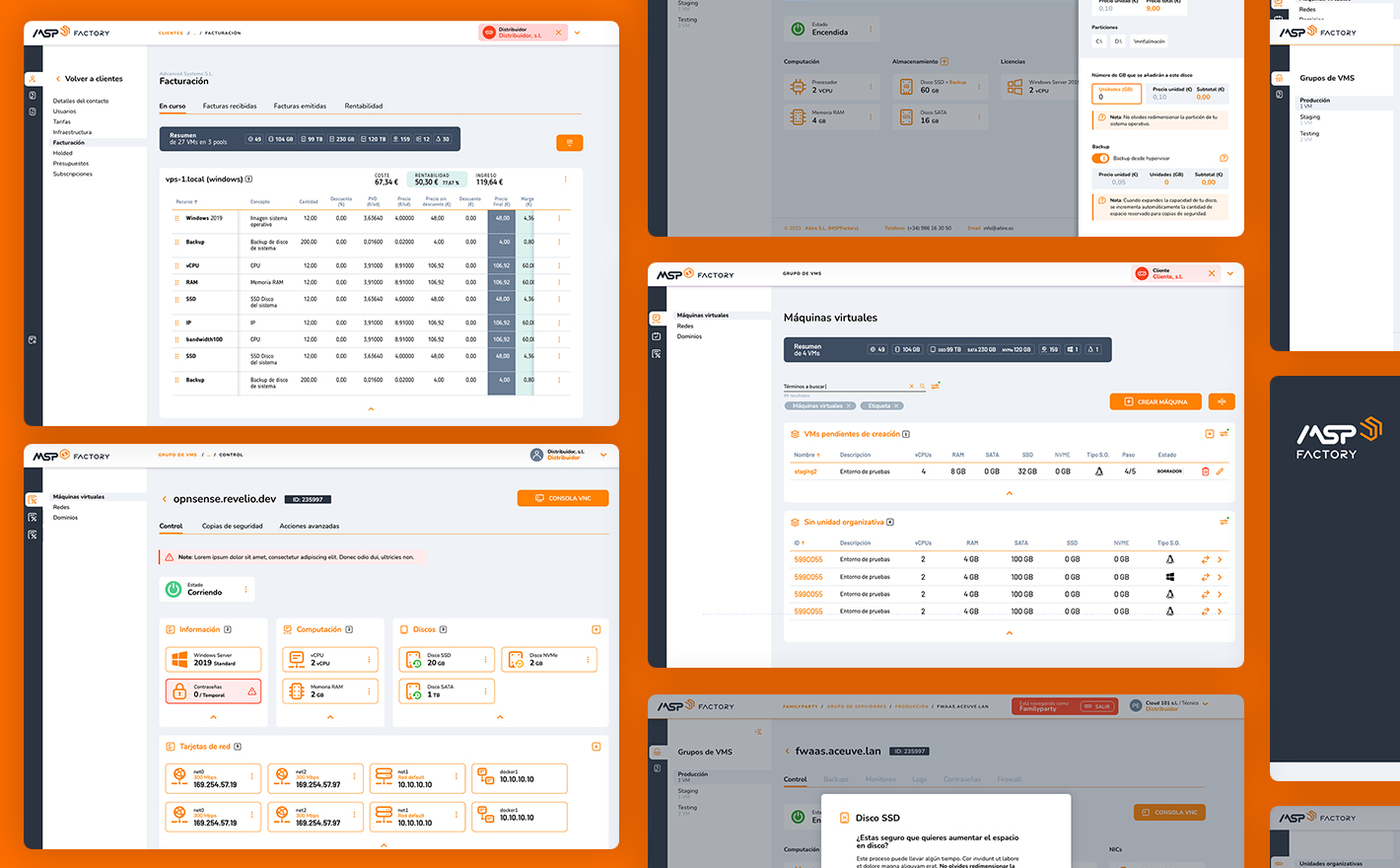
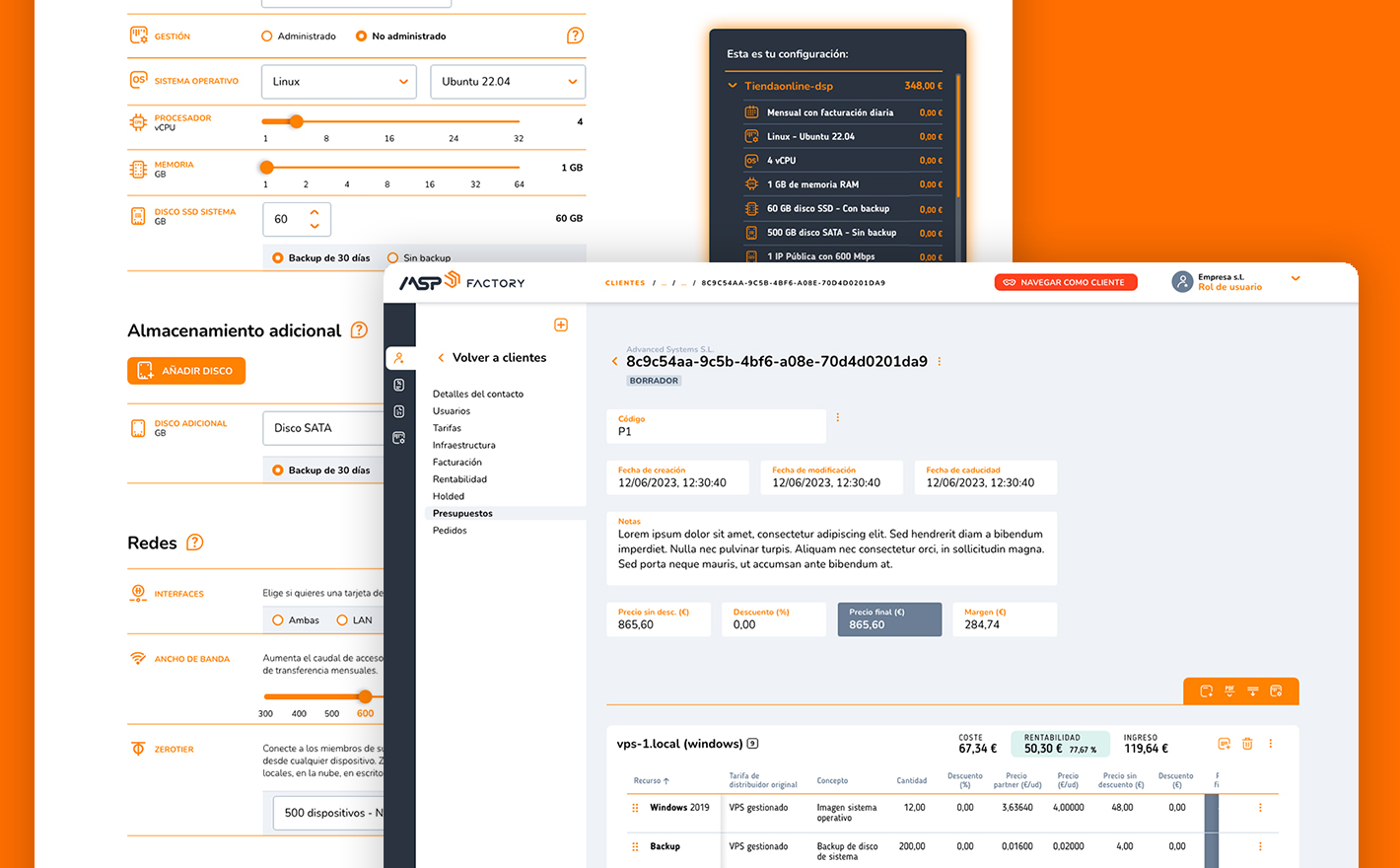
SetPay is a point-of-sale (POS) solution designed to simplify the management of sales, products, transactions, and taxes for small local businesses. The challenge was to digitize manual processes without overwhelming users with limited digital experience. The project focused on delivering an intuitive, clear, and emotionally approachable tool that reduces technological friction and increases daily operational efficiency.
My role
As a UX/UI Designer, I participated in all phases of the project, from initial definition to final implementation.
Research and definition of flows and information architecture
- Design of a multi-role architecture (Wholesaler / Distributor / End Client)
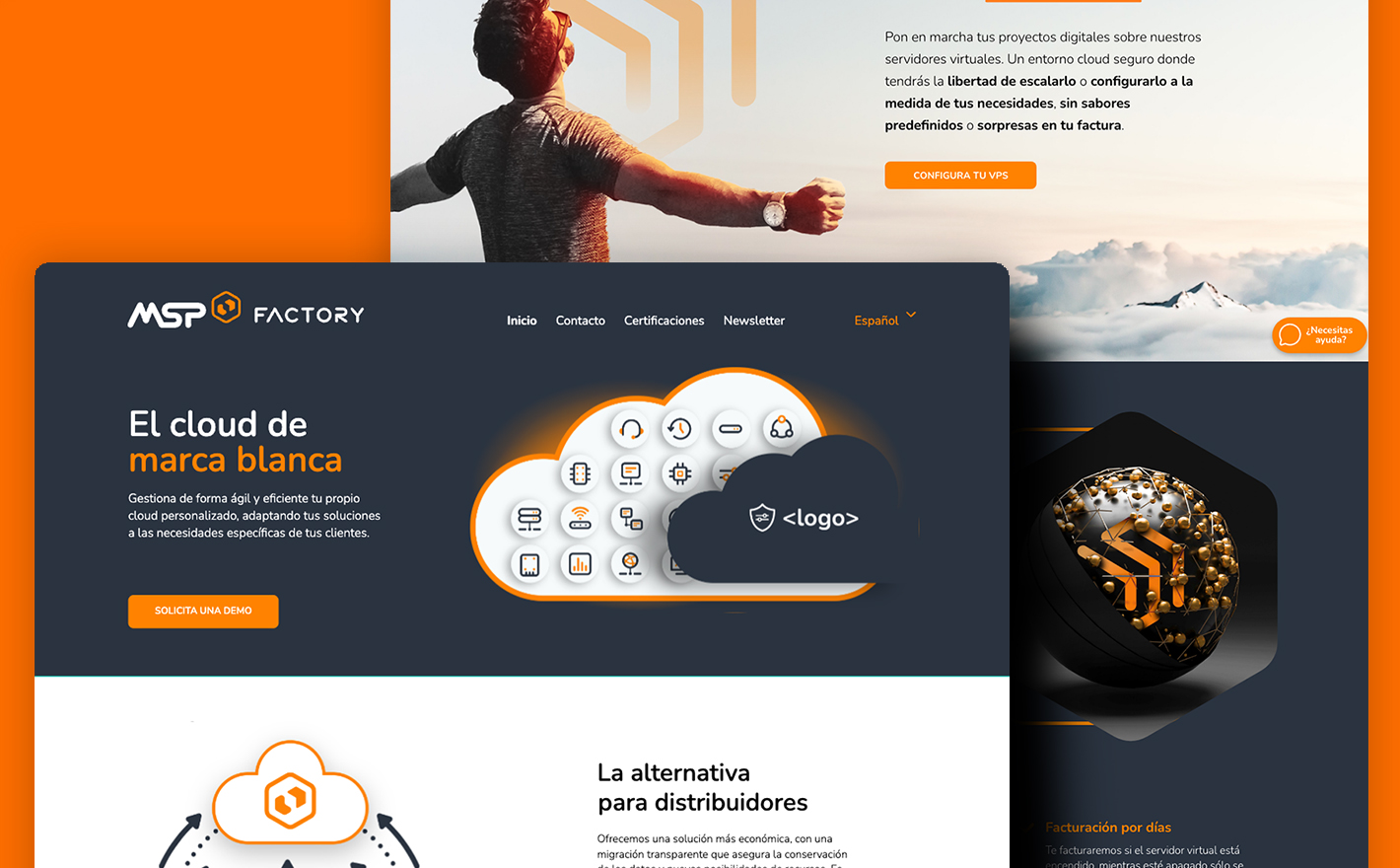
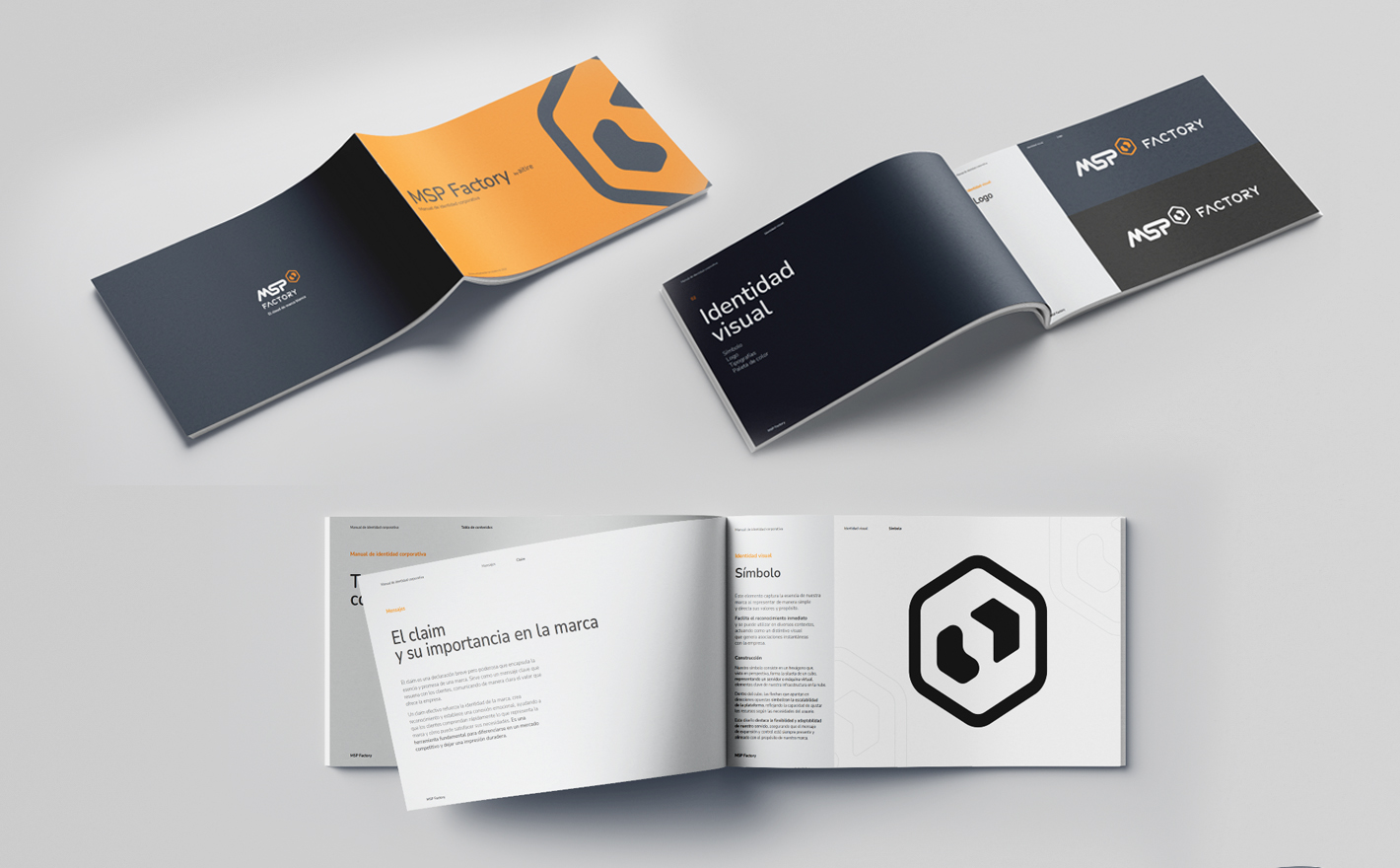
- Development of the visual identity and graphic communication assets
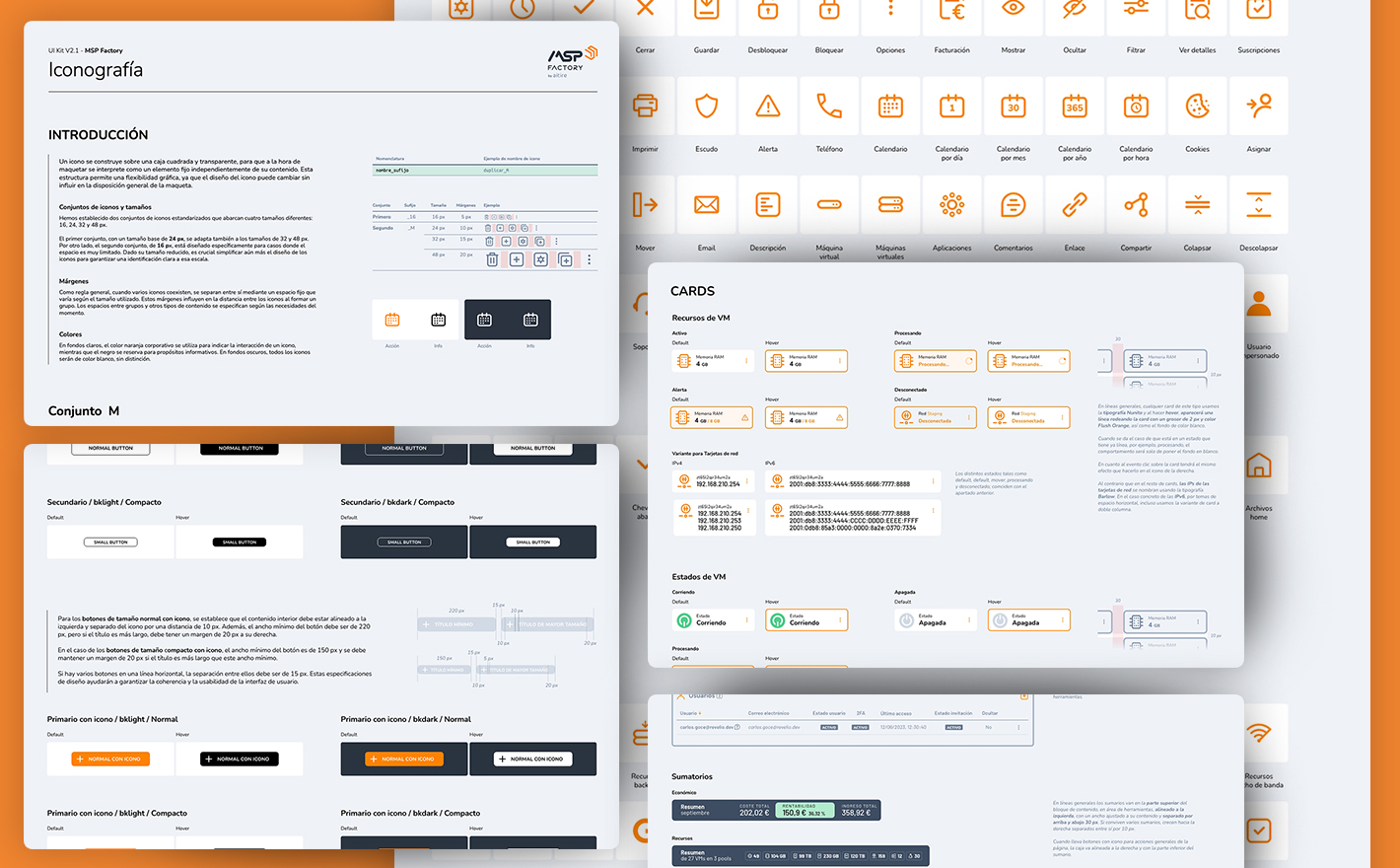
- Creation of a Design System with more than 200 reusable components
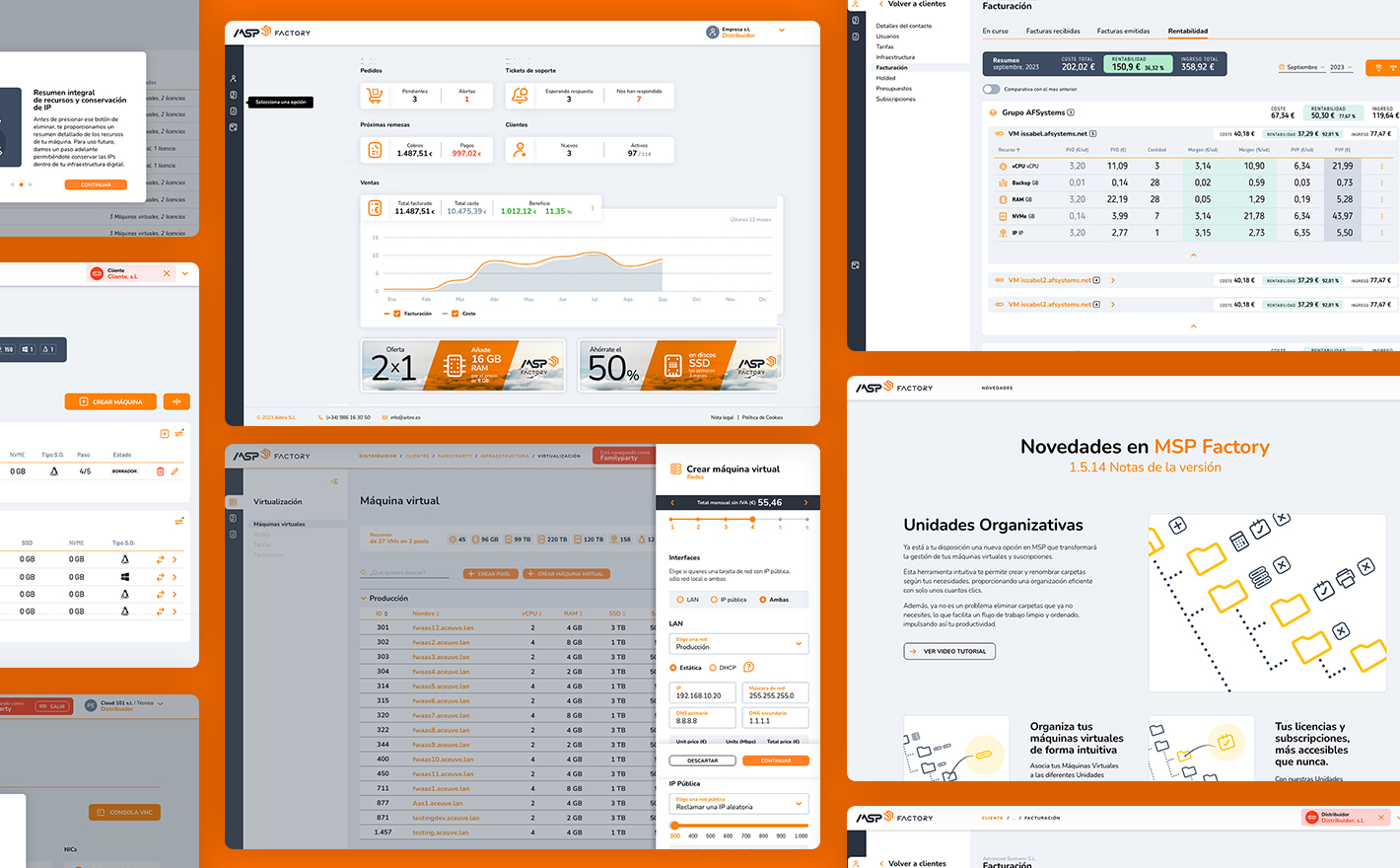
- Design of interfaces for management, onboarding, support, and billing
Main challenges
- Visualizing complex data flows without overloading the interface
- Designing for different technical levels and usage contexts
- Managing role-based permissions and access logic
- Integrating a contextual help system (MKDocs)
- Scaling the design while maintaining visual and functional consistency
Design process
I conducted interviews with potential users, analyzed reference cloud platforms, and defined user personas. I worked closely with the development team to create a modular and scalable architecture, ensuring consistency between design and code. Prototypes were validated with real users and iteratively refined based on the feedback received.
Impact
- Significant reduction in support tickets thanks to contextual help
- Greater autonomy for distributors and clients
- More coherent and professional brand presence
- Scalable design that didn’t require redesigns as the platform grew
Tools used
Figma, Adobe XD, Penpot, Illustrator, Photoshop, After Effects, Premiere, MKDocs.
(Focused on Figma and Design Systems to ensure consistency and scalability.)
Learnings
- Integrating help into the UX reduces friction and support dependency
- A solid Design System from the start ensures consistency and agility when scaling
- White-label platforms should convey autonomy and trust in every interaction
MSP Factory established itself as a solid alternative to major hyperscalers. Design played a key role by making complex technology accessible through a clear, modular, and scalable interface aligned with the real needs of users and the business.